Lifestyle · 7 min read
North Indian Brahmin Weddings: Rituals and Matchmaking
Understanding the unique customs of North Indian Pandit communities and how to find a match that respects ancestral traditions.
Updated
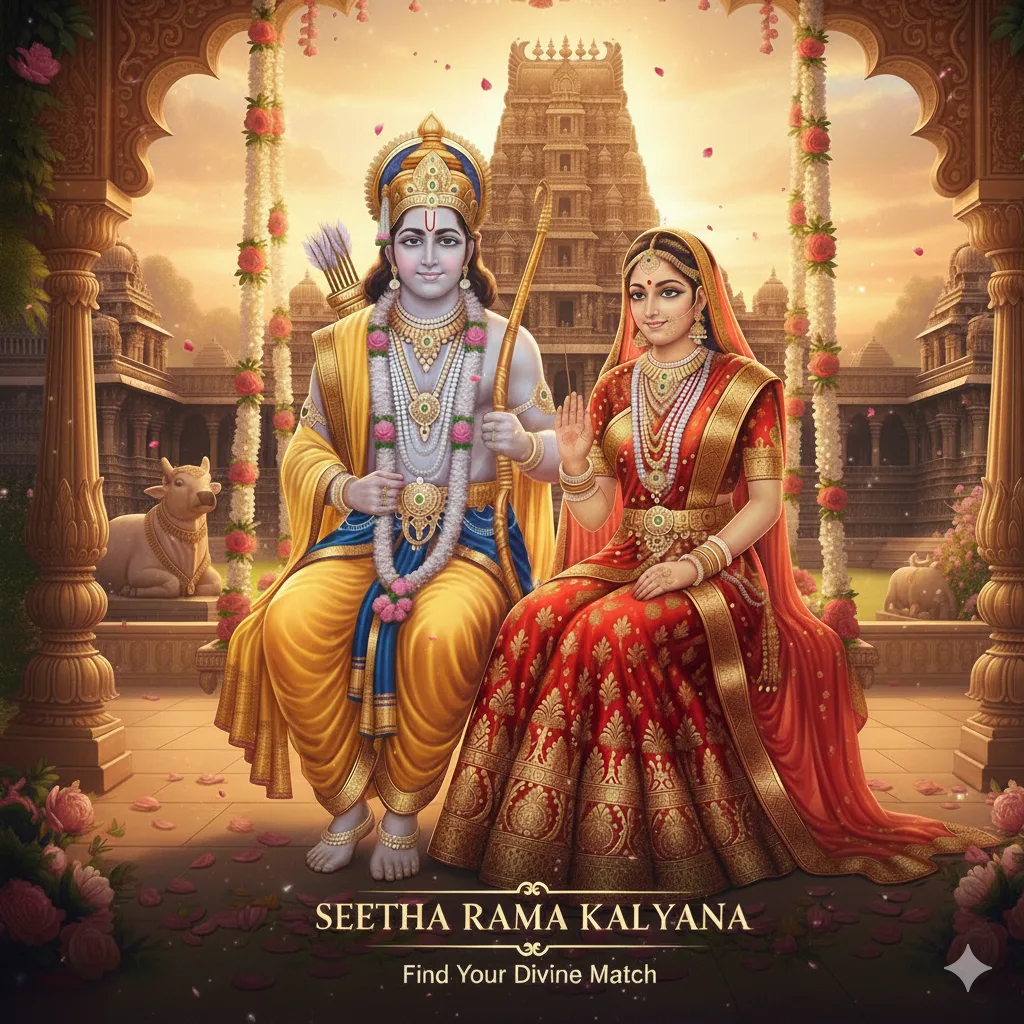
“Pandit” is often used for Brahmin families across North India, from Kashmir to Bihar. Their communities differ in language and custom, but share a Vedic wedding at the core and a strong tradition of gotra and horoscope matching.
North Indian Brahmin communities
- Saraswat and Gaur Brahmins of Punjab, Haryana, Delhi and Rajasthan.
- Kanyakubja and Saryupareen Brahmins of Uttar Pradesh.
- Maithil Brahmins of Bihar and Nepal’s Mithila region.
- Kashmiri Pandits, many now living across India and abroad.
Before the wedding
- Roka and Sagai: the families confirm the alliance and exchange rings and gifts.
- Tilak: the bride’s family visits the groom’s home and applies tilak, formally accepting him.
- Haldi and Mehndi: turmeric and henna ceremonies in both homes.
The wedding day
- Baraat: the groom arrives with family and friends, often on a horse, to music.
- Jaimala: the couple exchange garlands.
- Kanyadaan: the bride’s parents give her hand to the groom.
- Phere: the couple circle the sacred fire seven times; see the meaning of the seven vows.
- Sindoor Daan and Mangalsutra: the groom applies sindoor and ties the mangalsutra.
- Vidaai: the emotional farewell as the bride leaves for her new home.
Kashmiri Pandit traditions
Kashmiri Pandit weddings include Livun (ritual cleaning of the home), Maenziraat (the henna ceremony, with traditional songs), Devgon (a ritual for the bride and groom in their homes before the wedding) and Posh Puza, when family members shower the couple with flowers while they are seated together under a red cloth.
Matchmaking priorities
Gotra (with sagotra avoided) and 36-guna Kundli matching are central for most families, along with education, profession and family background. Many families abroad look for matches who share their language and customs.
Find a match
Browse Brahmin profiles on Seetha Rama Kalyana. Members are OTP-verified, profiles show community, sub-community and gotra, and phone numbers are shared only after both families agree.
Frequently asked questions
What is the difference between Roka and Sagai? Roka is the initial confirmation that both families agree to the match; Sagai is the formal engagement with an exchange of rings.
What is Posh Puza in a Kashmiri Pandit wedding? Family members shower the couple with flowers while they sit together under a red cloth, praying for their happiness.
Do North Indian Brahmins avoid same-gotra marriage? Yes, most families avoid sagotra matches and use 36-guna Kundli matching.