Lifestyle · 8 min read
Telugu Brahmin Matrimony: Finding Harmony in Traditions
A guide to Telugu Brahmin weddings, focusing on the significance of rituals like Jeelakarra Bellam and finding compatible matches.
Updated
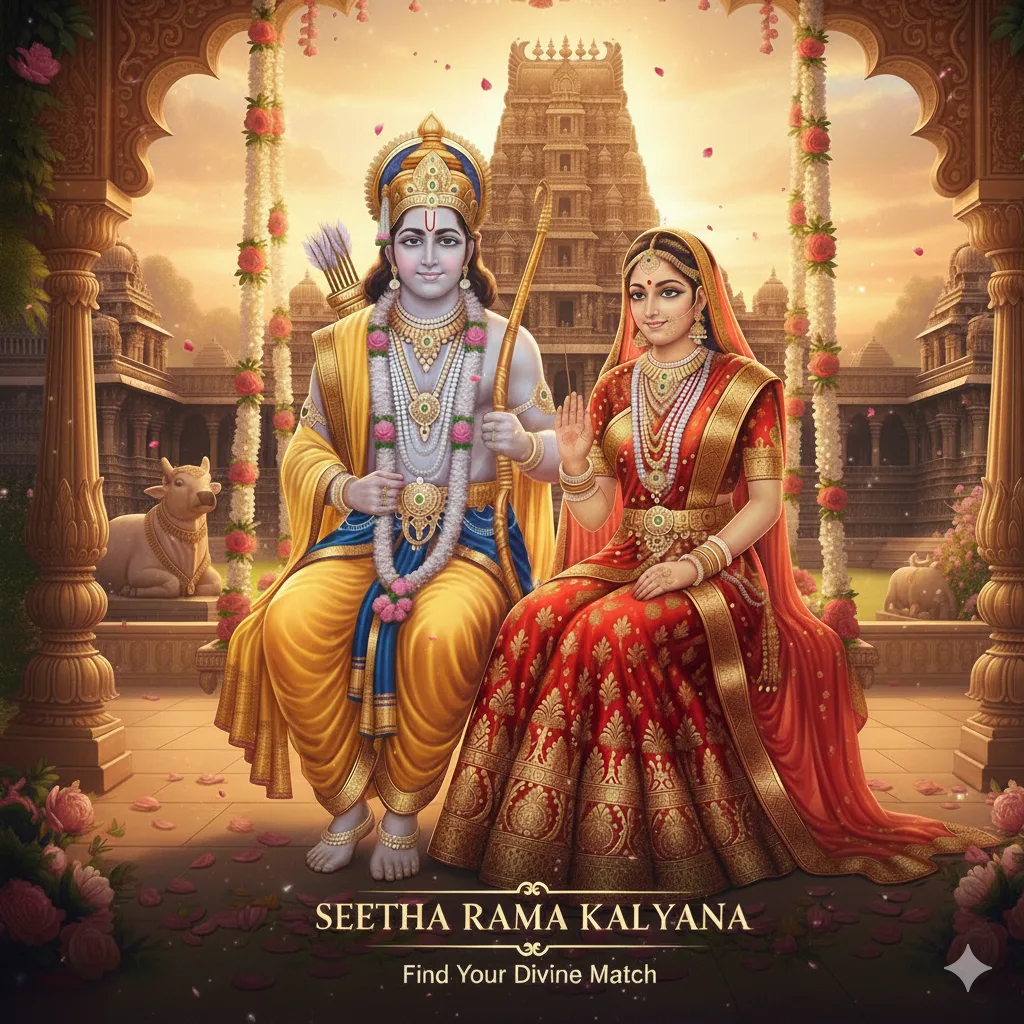
Telugu Brahmin weddings are rich in Vedic ritual and full of moments families remember for decades, from the cumin-and-jaggery muhurtham to the joyful rice shower of Talambralu.
Here is the sequence most families follow, what each ritual means, and what matters most to Telugu Brahmin families when they look for an alliance.
Before the wedding
- Nischitartham (engagement): the families formally agree the match, usually after Kundli matching, and fix the muhurtham.
- Pellikuthuru and Pellikoduku: the bride and groom are prepared for marriage with turmeric, oil baths (Mangala Snanam) and new clothes in their homes.
- Snathakam: the groom’s ceremony marking the completion of his student life (brahmacharya), often including the sacred thread.
The wedding ceremonies
- Kashi Yatra: the groom sets off for Kashi to pursue spiritual life, until the bride’s brother persuades him to marry instead.
- Edurukolu: the two families formally receive each other at the venue.
- Gauri Puja: the bride worships Goddess Gauri for a long and happy married life.
- Kanyadanam: the bride’s parents give her hand to the groom.
- Jeelakarra-Bellam: at the exact muhurtham, a curtain between the couple is lowered and they place a paste of cumin and jaggery on each other’s heads, symbolising an inseparable bond through bitter and sweet times.
- Madhuparkam: the couple change into wedding clothes, traditionally a white saree with a red border for the bride.
- Mangalya Dharana: the groom ties the mangalsutra with three knots.
- Talambralu: the couple pour rice mixed with turmeric over each other’s heads, a playful and auspicious moment.
- Saptapadi and Arundhati darshanam: seven steps with seven vows, and the couple are shown the stars Arundhati and Vasishtha.
After the wedding
In Appagintalu the bride’s parents formally entrust their daughter to the groom’s family. It is often the most emotional moment of the wedding. Grihapravesam, the bride’s entry into her new home, follows.
What Telugu Brahmin families look for in an alliance
- Gotra, with sagotra matches usually avoided.
- Kundli matching, often using the Porutham system alongside guna points.
- Tradition: Vaidiki and Niyogi families, and Smartha, Vaishnava and Madhwa practice, may have different customs.
- Education and career, often including opportunities in Hyderabad, Bengaluru, Chennai or abroad.
- Shared values around festivals, food and family life.
Seetha Rama Kalyana for Telugu families
The site is available in Telugu as well as English, for Telugu-speaking families in Andhra Pradesh, Telangana, other Indian cities and abroad. Profiles include community, sub-community and gotra, Kundli matching by our astrologer is available, and phone numbers are shared only after both families agree.
Frequently asked questions
What does Jeelakarra-Bellam mean? Cumin and jaggery. At the muhurtham the couple place this paste on each other’s heads, symbolising a bond that holds through both bitter and sweet times.
What is Talambralu? A joyful ritual where the bride and groom pour rice mixed with turmeric over each other’s heads, symbolising prosperity and happiness.
How many knots are tied in the mangalsutra? In Telugu weddings the mangalsutra is traditionally tied with three knots during Mangalya Dharana.