Lifestyle · 8 min read
Tamil Brahmin Weddings: Iyer and Iyengar Traditions
Deep dive into Tamil Brahmin matrimony, focusing on the distinct cultures of Iyer and Iyengar communities and their sacred wedding rites.
Updated
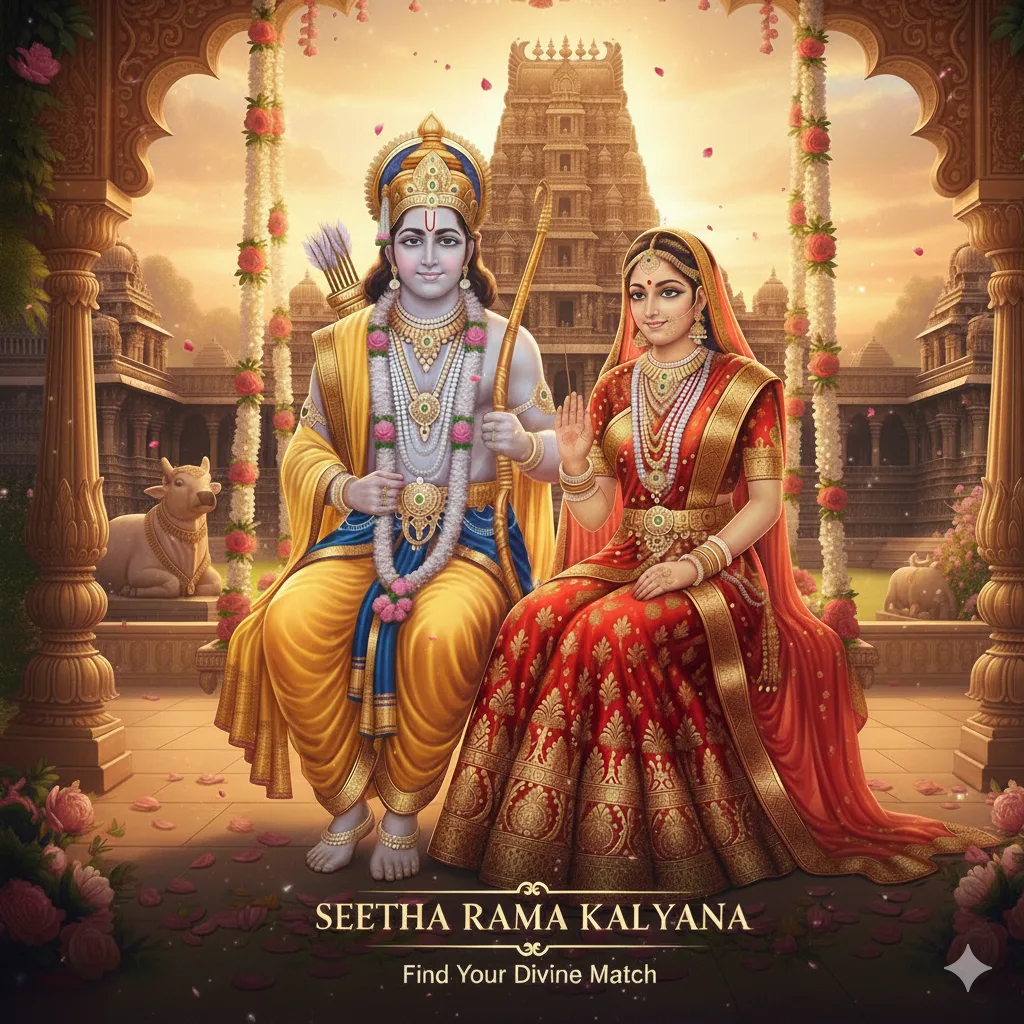
Tamil Brahmin weddings are among the most elaborate in South India, often spread across two days, with nadaswaram music, the bride in a nine-yard madisar and rituals that each carry a story.
This guide explains the main ceremonies, the differences between Iyer and Iyengar weddings, and what Tamil Brahmin families consider when looking for an alliance.
Iyer and Iyengar: what is the difference?
Both are Tamil Brahmin communities, but they follow different traditions. Iyers are Smartha, following Adi Shankara’s tradition and worshipping Shiva, Vishnu and other deities. Iyengars are Sri Vaishnavas, following Ramanuja’s teachings and worshipping Vishnu, and are divided into Vadakalai and Thenkalai sects.
The differences show up in the wedding: the hymns sung, the design of the thirumangalyam, how the madisar is draped and some of the rituals. Many families today welcome Iyer–Iyengar alliances, but it is worth discussing traditions early.
Before the wedding
- Nichayathartham: the formal engagement, where families exchange trays of gifts and confirm the date. The wedding invitation (lagna pathrikai) is often read out.
- Vratham / Pandha Kaal: prayers in both homes, including a ceremony around a bamboo pole that marks the start of the wedding.
- Janavasam: traditionally, the groom is brought to the venue in a procession the evening before.
The wedding day
- Kashi Yatrai: the groom sets off for Kashi with an umbrella and a walking stick, until the bride’s father persuades him to marry his daughter instead.
- Maalai Maatral: the bride and groom, lifted on the shoulders of their relatives, exchange garlands three times.
- Oonjal: the couple sit on a decorated swing; married women sing oonjal songs, offer milk and banana, and circle them with coloured rice balls to ward off the evil eye.
- Kanyadanam: the bride sits on her father’s lap and her parents give her hand to the groom.
- Mangalya Dharanam: at the muhurtham, the groom ties the thirumangalyam with the first knot and his sister ties the other two, while the nadaswaram plays the getti melam.
- Saptapadi: the groom holds the bride’s toe as she takes seven steps around the fire.
- Ammi Midhithal and Metti: the bride places her foot on a grinding stone, a promise of steadfastness, and the groom puts metti on her toes.
- Arundhati darshan: the couple are shown the stars Arundhati and Vasishtha.
Distinct Iyengar customs
- Andal’s Vaaranam Aayiram, the poem in which Andal dreams of marrying Lord Vishnu, is traditionally sung at the wedding.
- The thirumangalyam often carries Vaishnava symbols.
- The madisar is draped in the Iyengar style, which differs from the Iyer drape.
- Vadakalai and Thenkalai families may have slightly different customs, so the two families usually agree the details.
What Tamil Brahmin families look for in an alliance
- Gotra, with sagotra matches avoided.
- Horoscope matching through the 10 Poruthams, with Rajju and Vedhai treated as essential.
- Iyer or Iyengar tradition, and within those, sub-sects such as Vadama, Brahacharanam, Vadakalai or Thenkalai.
- Education, career and often a willingness to relocate, since many families have children in Chennai, Bengaluru, Hyderabad or abroad.
Seetha Rama Kalyana for Tamil families
The site is available in Tamil as well as English. Profiles show community, sub-community and gotra, Kundli matching by our astrologer is available, and phone numbers are shared only after both families agree to go ahead.