Lifestyle · 6 min read
Maratha Matrimony: 96 Kuli Heritage and Wedding Traditions
A guide for the Maratha community to find matches within the 96 Kuli and other lineages with ease.
Updated
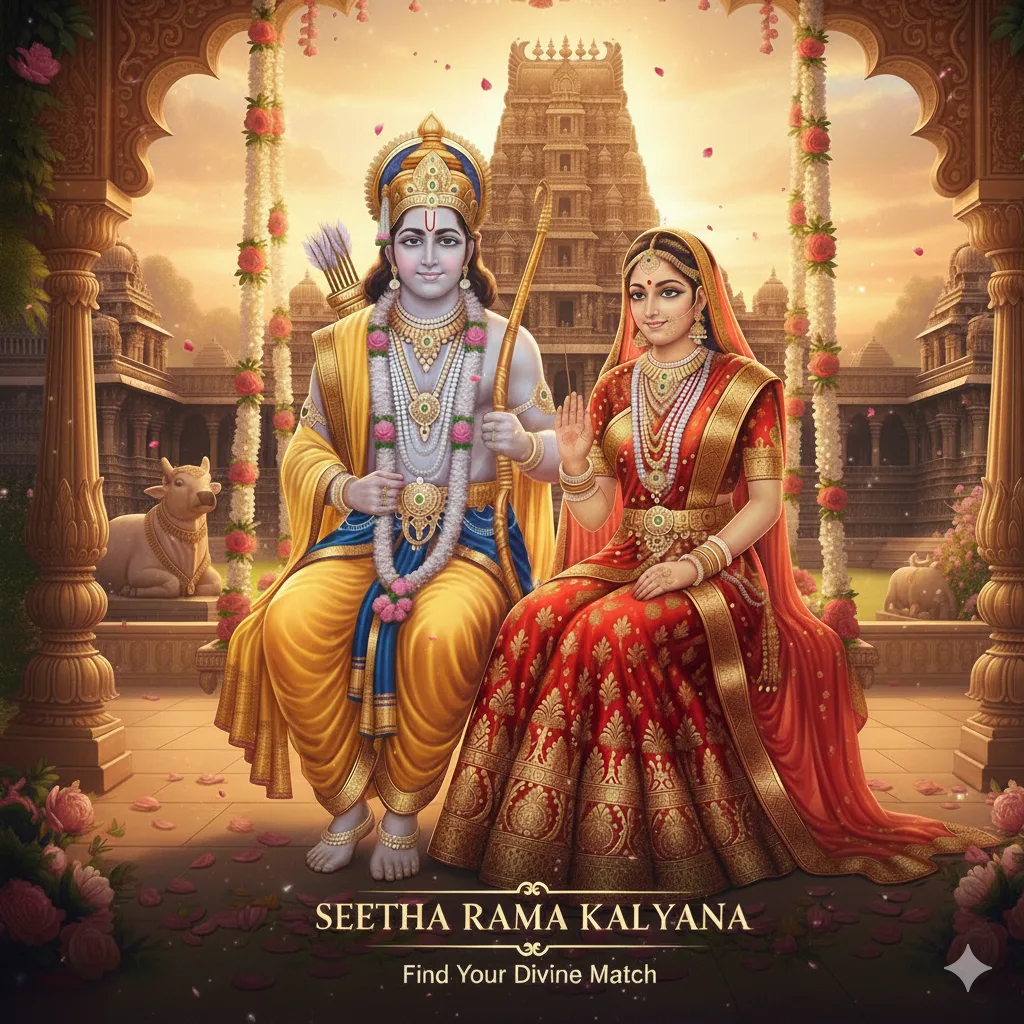
The Maratha community, central to Maharashtra’s history from Chhatrapati Shivaji Maharaj onwards, has wedding traditions that are joyful, devotional and distinctly Marathi.
The 96 Kuli
Maratha families traditionally identify with the 96 clans (Shahannav Kuli), including well-known surnames such as Bhosale, Jadhav, Pawar, Shinde, More, Gaikwad and Chavan. Families usually avoid matches within the same clan and pay attention to family background and the family deity (kuldaivat).
Before the wedding
- Sakharpuda: the engagement, with sugar and gifts exchanged.
- Halad: the turmeric ceremony, with songs and celebration.
- Devdevak: worship of the family deity, such as Khandoba or Tulja Bhavani, to invite blessings.
The wedding day
- Seemant Pujan: the bride’s family welcomes the groom.
- Antarpat and Mangalashtak: auspicious verses are sung with a cloth between the couple; it is lowered and they garland each other while guests shower akshata.
- Kanyadaan and Saptapadi: see the seven vows.
- Varat: the procession to the groom’s home.
- Grihapravesh: the bride enters her new home and is often given a new first name.
Matchmaking today
Alongside clan and family background, Maratha families look at education, profession and location; many live in Pune, Mumbai and abroad. Our Marathi Brahmin post covers other Maharashtrian wedding customs.
Find a Maratha match
Browse Maratha profiles on Seetha Rama Kalyana. Members are OTP-verified, profiles show community, sub-community and gotra, and phone numbers are shared only after both families agree.
Frequently asked questions
What does 96 Kuli Maratha mean? It refers to the traditional 96 clans of the Maratha community, with surnames such as Bhosale, Jadhav, Pawar, Shinde, More and Gaikwad. Families often prefer matches within the 96 Kuli and avoid the same clan.
Why is the bride given a new name? In many Maharashtrian families, the groom’s family gives the bride a new first name at Grihapravesh, marking her entry into the new home. Many brides today keep their own name, or use both.
What is the Antarpat? A cloth held between the bride and groom while the Mangalashtak verses are sung. When it is lowered, the couple see each other and exchange garlands while guests shower akshata.