Events · 6 min read
The Symbolism of Vivaha Panchami in Hindu Matrimony
Exploring the significance of Vivaha Panchami, the day Lord Rama and Seetha were married, and why it's auspicious for new beginnings.
Updated
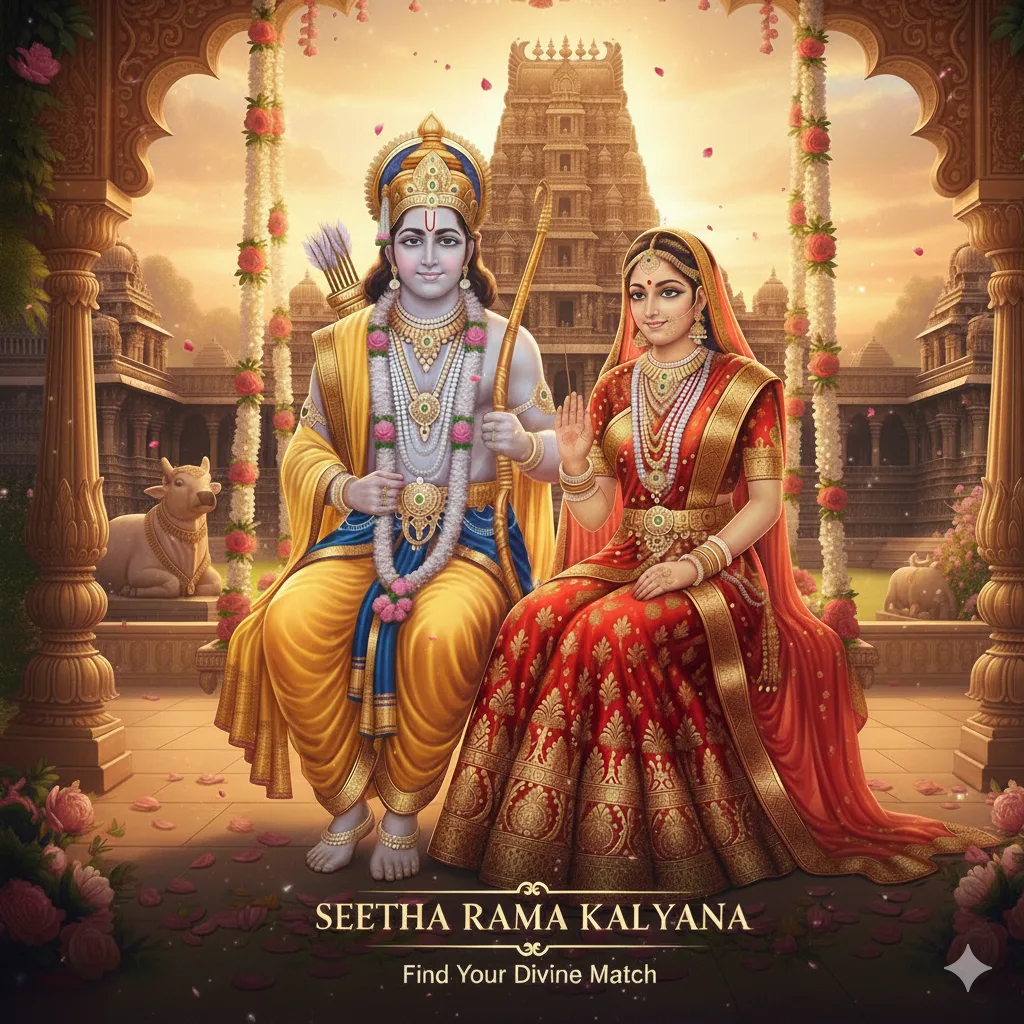
For generations, the marriage of Sita and Rama has been the example Hindu families hold up for a married life built on devotion, respect and loyalty. Vivah Panchami is the day that marriage is celebrated.
Here is when it falls, how it is observed, and why it still means so much to families looking for an alliance for their children.
What is Vivah Panchami?
According to the Ramayana, Rama won Sita’s hand at her swayamvar in Mithila by lifting and breaking Lord Shiva’s bow, which no other prince could even move. Their wedding is celebrated every year on Vivah Panchami.
The festival falls on the fifth day (Panchami) of the bright fortnight (Shukla Paksha) of the month of Margashirsha, which usually lands in November or December. The exact date changes every year, so check your local panchang.
How it is celebrated
- Janakpur, Nepal: Sita’s birthplace hosts the largest celebration, centred on the Janaki Mandir, with a re-enactment of the wedding that draws pilgrims from India and Nepal.
- Ayodhya: temples hold Ram–Sita vivah utsav, with a symbolic wedding procession (baraat) and rituals.
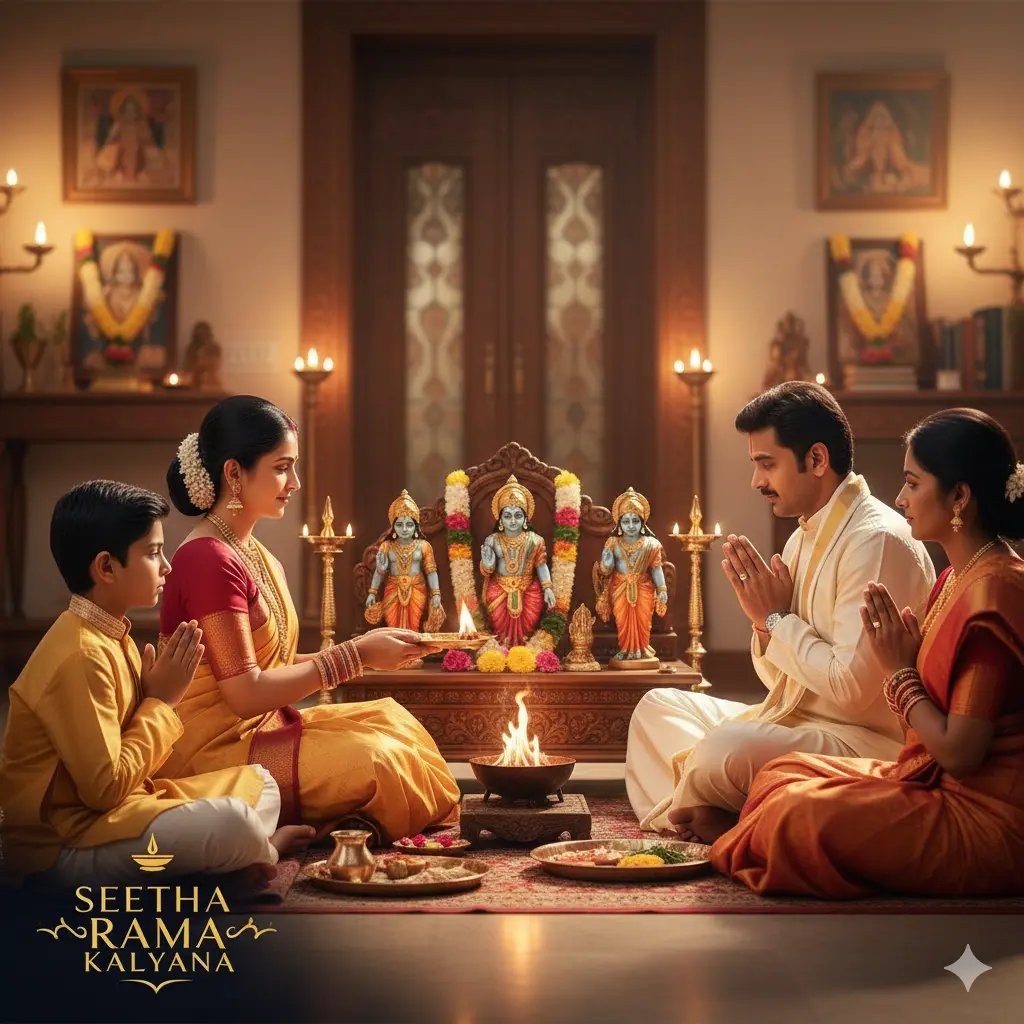
- At home and in local temples: devotees recite the Ramcharitmanas (especially the Bal Kand describing the wedding), sing bhajans and offer prayers to Sita and Rama.
Is Vivah Panchami a good day for weddings?
Opinions differ. Because of the hardships Sita faced after her marriage, some families, particularly in the Mithila region, traditionally avoid holding their own weddings on Vivah Panchami. Others see it as a deeply auspicious day. If you are planning a wedding around this time, follow your family’s custom and consult your priest about the muhurtham.
Many families instead treat Vivah Panchami as an auspicious day to begin the search: to pray for a good match, to create a matrimony profile, or to have a first conversation with a prospective family.
Lessons from the marriage of Sita and Rama
- Mutual respect: both partners honour each other’s dignity and duty.
- Loyalty through difficulty: Sita chose to share Rama’s exile rather than stay in comfort.
- Shared dharma: a marriage built on common values rather than convenience.
- Family harmony: respect for elders and for both families.
These ideals are why the phrase “a match like Sita and Rama” is still the highest blessing elders give a couple.
Begin your search this Vivah Panchami
Seetha Rama Kalyana takes its name from this divine wedding. It is a Hindu matrimony platform for families across India and abroad, available in English, Hindi, Kannada, Telugu and Tamil, with verified profiles and phone numbers shared only after both families agree.